All you need to know about dust mite bites
In dit artikel
What are dust mite bites?
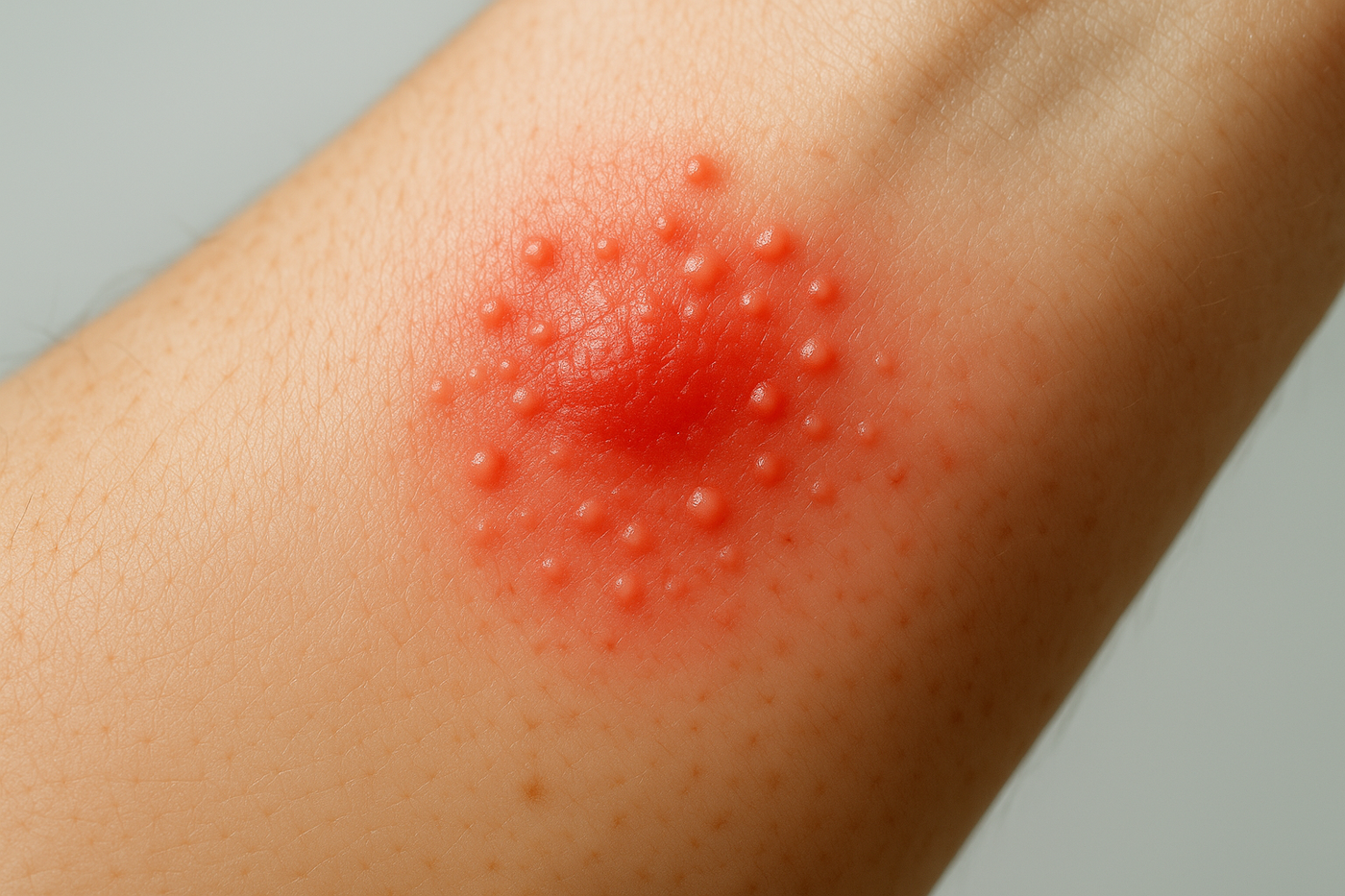
Dust mites are microscopic spider-like creatures (approx. 0.3 mm in size) found in almost every household. They feed mainly on skin flakes from humans and pets and thrive in warm, humid environments. Although often referred to as 'dust mite bites', dust mites do not actually bite humans. The red bumps, itching, or other complaints attributed to dust mites are caused by an allergic reaction to the faeces and shed skins of these mites. Unlike bed bugs or fleas, which do bite people, dust mites cause indirect nuisance through allergens rather than direct bites.
Causes of dust mite bites
An allergic reaction to dust mites, which we commonly refer to as dust mite bites, is caused by the mite's bodily remains and faeces. A single dust mite lives for about two to three months and produces a huge amount of faeces during that time. These faeces contain proteins that trigger an allergic reaction of the skin and respiratory tract in sensitive individuals. In homes with a lot of dust and higher humidity, the number of dust mites can increase significantly. Ideal conditions for dust mites are temperatures between 20°C and 30°C and a humidity of 60–80%. An average bed can therefore contain millions of mites over time; after two years, it is estimated that up to ten percent of the weight of a pillow consists of dead mites and their faeces. The more dust mites and allergens in the environment, the greater the chance of symptoms. Poor ventilation, infrequent cleaning, and a lot of textile furnishings (such as carpets and upholstered furniture) can exacerbate the presence of dust mites. In short, the cause of 'dust mite bites' is a combination of an allergic predisposition and exposure to a high concentration of dust mite allergens in the home.
Symptoms of dust mite bites
The symptoms of a reaction to dust mites often resemble other allergic complaints and can range from mild to very bothersome. Typical symptoms include:
- Skin irritation: Itchy red bumps, rash, or hives (urticaria) on the skin. In people with eczema, their skin condition may worsen with exposure to dust mites.
- Nose and eyes: A runny nose, blocked or itchy nose, frequent sneezing, and red, watery, or itchy eyes are common. These symptoms are similar to hay fever, but with dust mite allergy, they can occur year-round.
- Respiratory problems: Coughing, a tickle in the throat, shortness of breath, or wheezing, especially in people with asthma. Dust mite allergy can cause breathing difficulties at night because people are close to the largest mite source in bed.
- General symptoms: Some people also experience fatigue, poor sleep, or even headaches due to constant allergic stimuli. Symptoms can be particularly pronounced in the morning upon waking, as one has been exposed to dust mite allergens all night.
It is important to realise that these symptoms are not caused by direct bites from the mites, but by the allergic reaction to the allergens left behind by the mites. Because dust mite allergy symptoms are very similar to, for example, a cold or hay fever, it is not always immediately recognised as the culprit.
Risk groups for dust mite bites
Not everyone reacts equally strongly to dust mites, but there are certain risk groups who are more susceptible to developing a dust mite allergy (and thus to 'dust mite bite' symptoms):
- Asthma and allergy sufferers: People who suffer from asthma, hay fever, or eczema (atopic constitution) have an increased chance of developing an allergy to dust mites. In asthma patients, the inhalation of dust mite allergens can worsen asthma symptoms and even trigger asthma attacks.
- Family predisposition: If allergies (such as dust mite allergy, pollen allergy, or food allergies) run in the family, you are more likely to also react allergically to dust mites yourself. Hereditary factors play a role in how the immune system reacts to allergens.
- Young children and the elderly: In children, the immune system is still developing, making allergies more likely to develop. Older adults may have a somewhat weaker immune system, causing them to react more severely to allergens.
- People in dusty or humid environments: Those who live in an old, poorly ventilated, or humid house with a lot of dust accumulation (for example, due to carpets, curtains, and books) run a higher risk of high exposure to dust mites. Occupations or hobbies where a lot of dust is released (think of archives, upholstery work) can also contribute to more complaints.
Those belonging to these risk groups should be extra vigilant for symptoms of dust mite allergy and take preventive measures in their living environment.
How dust mites spread
Dust mites themselves do not actively move over long distances as insects do, but they spread passively via house dust and objects. These mites settle deep into materials such as mattresses, pillows, upholstered furniture, carpets, and stuffed animals – places where there is sufficient food (skin flakes) and the right humidity. For example, when we shake out bedding or vacuum without a good filter, dust particles with mites and their faeces are released into the air, which then move throughout the home. Mites can also spread to other places via clothing, dust cloths, or the movement of objects (such as an old chair or rug).
Under the right conditions, dust mites reproduce rapidly. A female dust mite lays a few eggs per day, and within a month, a new generation is mature. This means that a limited presence of mites can quickly grow into a large population if no action is taken. The population is usually largest at the end of summer and in early autumn when humidity is high, and lowest in winter when heating causes drier air. Completely eradicating dust mites is virtually impossible – even in very clean homes, some will always remain. However, by targeted cleaning and climatic adjustments (such as ventilation and heating), the spread and growth can be significantly limited.
Effective prevention of dust mite bites
To prevent or reduce dust mite bites (allergic reactions), it is essential to limit the number of dust mites in the home and to minimise exposure to them. Some effective preventive measures are:
- Wash bedding regularly: Wash sheets, pillowcases, and duvet covers weekly at a minimum of 60°C. At this temperature, the mites are killed and their allergens are washed away. Also remember to periodically clean duvets and pillows themselves (wash or dry clean according to instructions).
- Use allergen-proof covers: Use special anti-dust mite fitted sheets and covers for mattresses, pillows, and duvets. These covers have a very dense weave or special coating that prevents mites and their faeces from escaping the bedding, which greatly reduces exposure.
- Reduce household fabrics: If possible, replace carpets with smooth floors (wood, laminate, vinyl) that are easy to wipe clean. Choose curtains that are washable or use blinds. Limit stuffed animals and dusty toys or wash/freeze them regularly to kill mites (24 hours in the freezer kills mites, then shake them out).
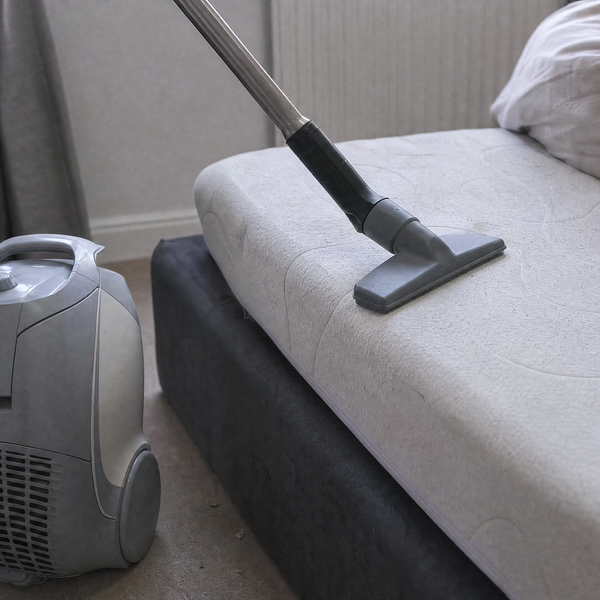
- Vacuum with HEPA filter: Vacuum thoroughly at least twice a week, preferably with a vacuum cleaner with a HEPA filter or special allergy filter. This ensures that sucked-up dust and mite particles are not blown back into the air. Also consider vacuuming mattresses, sofas, and chairs with special attachments. The MiteMaster® vacuum cleaners have a heated air outlet, which means the expelled air is purified.
- Ventilation and humidity: Ensure good ventilation in all rooms. Open windows daily or use ventilation grilles so that moisture can escape. Try to keep indoor relative humidity below 50% (possibly with a dehumidifier) so that living conditions for mites are less ideal. Keep the bedroom temperature cool (around 18°C) rather than tropical warm.
- Regular cleaning: Dust with a damp cloth (so that dust does not swirl) and mop floors weekly. Pay extra attention to dust traps under beds, sofas, and on higher surfaces. Consistent cleaning reduces the amount of allergens in the home.
- Delay making the bed: After getting up, leave the bedding open rather than immediately making the bed tightly. This allows moisture from the night to evaporate and the bed to cool down, creating a less favourable environment for mites.
- Renew mattress and pillows: Consider replacing an older mattress (older than ~8-10 years). Over the years, millions of mites can accumulate in a mattress. A new mattress and pillow immediately reduce a significant amount of allergens, especially in combination with anti-mite covers.
By consistently applying these measures, the number of dust mites and the amount of allergens in the home will drastically decrease. Many people notice that their symptoms significantly reduce when they make their living environment 'dust mite-friendly' in this way.
Natural and medicinal treatments
Natural treatments
For those suffering from dust mite bites (allergic reactions), there are some natural or home remedies that can provide relief. For example, a cool compress on itchy skin rashes can temporarily reduce swelling and itching. Applying gel or a soothing cream to red bumps can also have a calming effect on the skin. For nasal complaints, rinsing with a saline solution (nasal douche) is a natural way to remove allergens from the nose and soothe the airways. Some people benefit from drinking chamomile tea or green tea because of their mild anti-inflammatory properties, although this is not a medical solution.
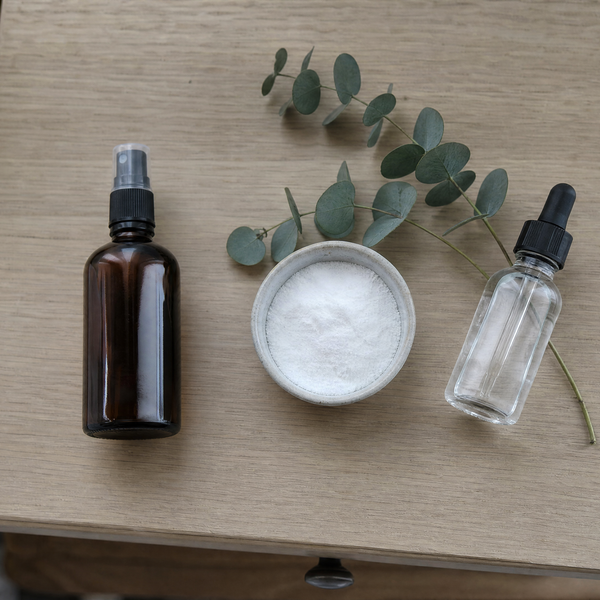
In addition, natural measures focus on tackling the source: reducing the dust mites themselves. This overlaps with prevention: think of using substances such as diatomaceous earth (a powder that is fatal to insects and mites, but safe for humans) on carpets and mattresses, or essential oils such as tea tree, eucalyptus, or peppermint. These oils are said to have a mite-repelling effect; a few drops in the cleaning water or on the bedding (before washing it) can help. Note that strong scents or oils can also cause irritation or allergies in some people, so use them carefully. Although natural methods sometimes provide relief, they do not always replace the effectiveness of medical treatments for more severe complaints.
Medicinal treatments
If natural remedies are insufficient or the symptoms are very severe, medication is often necessary to control the symptoms of dust mite allergy. Common medicinal treatments include:
- Antihistamines: These are tablets or syrups that suppress the allergic reaction in the body. They relieve symptoms such as sneezing, itchy eyes, and skin rash. Over-the-counter antihistamines (such as cetirizine or loratadine) can significantly reduce many symptoms.
- Nasal sprays and eye drops: Corticosteroid nasal sprays (such as fluticasone or budesonide) have an anti-inflammatory effect and reduce swelling in the nose, thereby alleviating nasal symptoms. For the eyes, antihistamine eye drops are available that soothe red, itchy eyes. These agents can be used daily during periods of symptoms.
- Respiratory medication: In case of asthmatic symptoms due to dust mites, a doctor will often prescribe inhalation medication, such as bronchodilators (for shortness of breath) or inhaled corticosteroids to make the airways less hyperreactive.
- Creams for the skin: For severe skin reactions, an anti-itch ointment or a mild corticosteroid cream (by prescription) can help reduce rash and itching. These are applied directly to the affected areas as prescribed.
In addition to these symptomatic treatments, there is also the possibility of immunotherapy (hyposensitization) for dust mite allergy. This is a process in which, under medical supervision, the immune system is gradually accustomed to the allergen by regularly administering small doses of it (via injections or drops/tablets under the tongue). After 3-5 years, this can lead to a significant reduction or even disappearance of the allergy. Immunotherapy is particularly an option for very severe complaints that cannot be adequately controlled with medication. Consultation with an allergist or general practitioner is necessary to determine if this treatment is suitable. In general, if dust mite allergy symptoms are severe, seek medical help. A doctor can prescribe the correct medication and advise on the best approach.
The importance of good hygiene
Good hygiene at home plays a crucial role in preventing dust mite bites. This not only means that the house looks clean, but above all that allergenic substances such as house dust and mite faeces are removed or neutralised as much as possible. Regular cleaning and ventilation are therefore not a luxury but a necessity for people with a dust mite allergy. Vacuuming, dusting, and washing bedding are recurring tasks that must be done consistently. Neglecting these tasks gives dust mites free rein to multiply.
Good hygiene also means being alert to moisture problems: mouldy walls or condensation can increase humidity and thus the habitability for mites. Therefore, keep bathrooms, kitchens, and other damp areas clean and dry. If necessary, use a hygrometer to monitor humidity. Furthermore, it is advisable not to leave food scraps or similar lying around that attract other pests (such as insects or mice), as mites can secondarily benefit from these.
Although a 100% mite-free life is unrealistic, a clean and dry household will ensure that the number of mites remains low and exposure to their 'bites', or allergens, is minimal. Therefore, establishing a routine for home hygiene is one of the most important recommendations for anyone sensitive to dust mites.
Frequently asked questions about dust mite bites
Can dust mites bite people?
No, dust mites cannot bite people. They do not have sharp mouthparts to penetrate our skin. The term 'dust mite bites' is therefore based on a misunderstanding. The red itchy bumps are often wrongly attributed to dust mites, while actual bites usually come from bed bugs, mosquitoes, or fleas. Dust mites cause allergic reactions through their faeces and skin debris, but do not leave bite marks.
How do I distinguish dust mite allergy from bed bug bites?
Bed bug bites typically appear as multiple red bumps or spots in a line or cluster, often on exposed skin areas and with a clear bite mark in the centre. They can be very itchy but are the result of an insect that actually sucks blood at night. Dust mite allergy, on the other hand, causes more diffuse symptoms: not only possibly some skin rash or eczema, but also a runny nose, itchy eyes, or shortness of breath. Moreover, you will not see actual bite marks with dust mite allergy. If you primarily have cold-like symptoms and itchy eyes in the morning instead of new red bites, this is more indicative of dust mites.
Can you completely remove dust mites from your home?
In practice, it is virtually impossible to keep all dust mites out of your home. They are microscopic and constantly re-enter from outside through the air or via people and animals. However, you can drastically reduce the number of dust mites by taking the preventive measures mentioned earlier. In a well-kept and dry home, there will be significantly fewer mites, so you are unlikely to be bothered by them. Complete eradication is not necessary as long as the population remains below a certain threshold, because then they cause few to no symptoms.
What should I do if I suspect I have a dust mite allergy?
If you suspect your symptoms are caused by dust mites (for example, if you constantly have a cold indoors or itchy skin in bed), it is wise to have this confirmed. See your GP; they can refer you for an allergy test, such as a skin prick test or blood test, to confirm if you are allergic to dust mites. If so, you can work together to draw up a plan. This will often be a combination of the preventive measures at home mentioned above and possibly medication to suppress the symptoms. In severe cases, the doctor will also discuss immunotherapy as a possible solution.
Are dust mite bites dangerous?
The symptoms of dust mite allergy are not life-threatening in themselves, but they can affect the quality of life. Constant itching, sneezing and breathlessness can be very annoying and lead to sleep deprivation or concentration problems. In some cases, untreated dust mite allergy can contribute to the development of chronic conditions such as asthma or sinusitis. Fortunately, most complaints can be managed well with measures and medication. It is important to intervene in time with prevention and treatment so that allergy symptoms do not get out of hand.
Conclusion and recommendations
Dust mite bites are not real bites, but a collective term for allergic reactions to dust mites. These tiny creatures share our living environment and leave behind allergenic material that causes symptoms in sensitive people. Although we cannot completely avoid dust mites, we can greatly reduce their impact by consciously dealing with our housing and hygiene. Regular cleaning, ventilation and the use of anti-dust mite measures in bedding are first steps that everyone can take.
For people who still suffer a lot despite these precautions, various treatments are available, from antihistamines to immunotherapy, to relieve symptoms and control the allergy. Consult a doctor if the symptoms are severe or persist, so that an appropriate treatment plan can be drawn up. All in all, the message is that a clean living environment, awareness of symptoms and timely treatment can together make a difference. With the right approach, no one needs to suffer unnecessarily from dust mite bites and everyone can breathe a sigh of relief at home again.