What you need to know about dust mite allergy and solutions

In dit artikel
What is a dust mite allergy?
A dust mite allergy is an oversensitivity reaction of the immune system to tiny insects that live in house dust, known as dust mites. These microscopic creatures are not visible to the naked eye but can cause significant problems for people who are allergic. When you are allergic to dust mites, your body reacts to the proteins present in the faeces and bodies of these mites.
Dust mites primarily feed on skin flakes from humans and animals and thrive in warm, humid environments. They are often found in mattresses, pillows, carpets, and upholstered furniture. Although they can be present year-round, they are particularly numerous in autumn and winter when homes are less ventilated.
It is important to understand that a dust mite allergy is not the same as an allergy to dust. House dust can contain a variety of substances such as mould spores, pollen, and animal dander, but the allergic reaction in a dust mite allergy is specifically caused by the dust mite itself.
Symptoms of dust mite allergy
The symptoms of a dust mite allergy can range from mild to severe and can occur at any time of the year. Common symptoms include sneezing, a runny nose, itchy eyes, and a blocked nose. These symptoms often resemble those of a common cold, making the allergy sometimes difficult to recognise.
In addition to the aforementioned symptoms, people with a dust mite allergy may also experience coughing, wheezing, and shortness of breath. These symptoms can be especially worse in the morning, as dust mites often accumulate in beds and mattresses. In severe cases, the allergy can lead to asthma attacks, which can have a serious impact on health.
Some people may also experience skin reactions, such as eczema or urticaria (hives). These skin reactions are caused by direct contact with dust mites or their faeces. It is therefore important not only to recognise the symptoms but also to understand how dust mites can affect your environment.
Causes of dust mite allergy
The primary cause of a dust mite allergy is exposure to the proteins present in the faeces and bodies of dust mites. When these proteins are inhaled or come into contact with the skin, the immune system can overreact and cause an allergic reaction. This reaction involves the production of antibodies that release histamine and other chemicals, leading to inflammation and the typical allergic symptoms.
Dust mites thrive in environments with high humidity and warm temperatures. This makes bedrooms, where people spend a lot of time and where skin flakes accumulate, ideal breeding grounds for these mites. Carpets, upholstered furniture, curtains, and stuffed animals are also common places where dust mites can accumulate.
Furthermore, poorly ventilated spaces can contribute to the growth of dust mites. A lack of fresh air creates a stable environment in which mites can flourish. It is therefore crucial to ventilate regularly and regulate indoor humidity to reduce the chance of dust mite allergy.
Risk factors and who is susceptible?
While anyone can develop a dust mite allergy, there are certain risk factors that can increase the likelihood of developing this allergy. One of the most important risk factors is genetic predisposition. If allergies run in your family, you have a greater chance of developing an allergy yourself, including a dust mite allergy.
Age also plays a role; children and young adults are often more susceptible to developing allergies. This is because their immune system is still developing and may react more strongly to allergens. In addition, people with other allergies, such as hay fever or asthma, may also be at increased risk of developing a dust mite allergy.
Environmental factors, such as a dusty or poorly ventilated living space, can also contribute to the development of a dust mite allergy. It is therefore important to pay attention to the living environment and take preventive measures to minimise exposure to dust mites.
How dust mites spread in your home
Dust mites spread primarily by feeding on skin flakes from humans and animals, which accumulate in various parts of the house. They live in colonies and can multiply rapidly under the right conditions, such as warm and humid environments. Although dust mites themselves cannot fly, their faeces and body parts are easily dispersed through the air, especially when you vacuum, make beds, or move furniture.
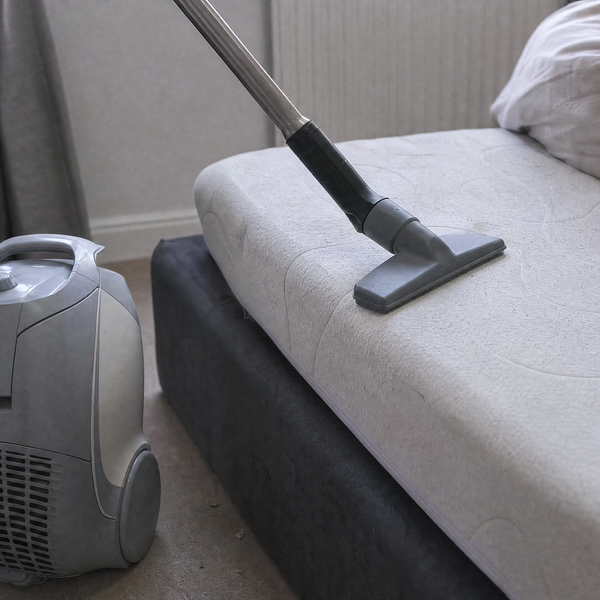
One of the main places where dust mites accumulate is in beds and mattresses. This is because people spend a lot of time here and leave behind skin flakes. In addition, bedding and mattresses provide a warm and humid environment that is ideal for the growth of dust mites. Regularly washing bedding and using allergy-protective covers can help reduce the number of dust mites in your bed.
Dust mites can also accumulate in carpets, curtains, and upholstered furniture. These objects often trap dust and skin flakes, which provides a food source for the mites. Regular cleaning, vacuuming with a HEPA filter vacuum cleaner, and using washable covers for furniture can help limit the spread of dust mites.
Effective ways to combat dust mites
Combating dust mites requires a combination of cleaning methods and preventive measures. One of the most effective ways to combat dust mites is through regular and thorough cleaning. This includes washing bedding at a minimum of 60 degrees Celsius, vacuuming carpets and furniture with a HEPA filter vacuum cleaner, and regularly dusting surfaces with a damp cloth to prevent dust from accumulating.
Reducing humidity in the home is also crucial. Dust mites thrive in humid environments, so using a dehumidifier can help keep humidity below 50%. In addition, opening windows and doors for ventilation can contribute to a drier and less hospitable environment for dust mites.
The use of allergy-protective covers for mattresses, pillows, and duvets can also be effective. These covers are designed to keep dust mites out and can help reduce exposure to allergens. In addition, it is advisable to replace fabric furniture and carpets with leather or wooden alternatives where possible, as these are easier to clean and retain less dust.
Prevention tips for dust mite allergy
In addition to combating dust mites, there are several preventive measures you can take to reduce the chance of an allergic reaction. One of the most important tips is to keep your home well-ventilated. Regular ventilation helps to lower humidity and limit the number of dust mites. Try to open windows and doors daily, especially after showering or cooking.
Choosing hypoallergenic materials for bedding and furniture can also help reduce exposure to dust mites. Hypoallergenic materials are designed to retain less dust and allergens, making them a better choice for people with allergies. In addition, it is advisable to regularly wash stuffed animals and other fabric items at high temperatures to remove any dust mites.
Avoiding excessive decoration and minimising dusty surfaces can also contribute to a dust mite-free environment. By having fewer dusty objects in the house, such as carpets, curtains, and upholstered furniture, you reduce the chance of a dust mite problem. Also consider using air purifiers equipped with HEPA filters to remove allergens from the air.
Medical treatments and remedies
While prevention and control of dust mites are crucial, medical treatments and remedies can help alleviate the symptoms of a dust mite allergy. One of the most common treatments is the use of antihistamines. These medications help reduce the body's allergic reaction by blocking the action of histamine, which can help alleviate symptoms such as sneezing, itching, and a runny nose.
For people with more severe symptoms, corticosteroids may be prescribed. These medications help reduce inflammation and can be administered in various forms, such as nasal sprays, inhalers, or creams for skin reactions. It is important to use these medications only as prescribed by a doctor, as long-term use can have side effects.
Immunotherapy, also known as allergy shots, is another treatment option for people with a severe dust mite allergy. This therapy consists of regular injections of small amounts of the allergen to gradually desensitise the immune system. Although this treatment can take some time, it can help reduce symptoms in the long term and improve the quality of life. Discuss with your GP or an allergist about the options that suit you.
The importance of a clean living environment
A clean living environment is essential for minimising the impact of dust mite allergy. Regular cleaning and tidying can help reduce the amount of dust and skin flakes, which in turn can limit the dust mite population. It is important to develop a cleaning routine that targets the places where dust mites accumulate most, such as beds, carpets, and upholstered furniture.
In addition, the use of air purifiers and vacuum cleaners with HEPA filters can contribute to cleaner air in the home. These filters are specifically designed to remove small particles, including dust mite allergens and their faeces, from the air and from textiles. By improving air quality, you can reduce exposure to allergens and alleviate the symptoms of dust mite allergy.
It is also important to pay attention to the humidity in the home. As mentioned earlier, dust mites thrive in humid environments, so using a dehumidifier can help lower humidity and create a less hospitable environment for dust mites. By taking these measures, you can create a healthier and more comfortable living environment for yourself and your family.
Conclusion and final tips
A dust mite allergy can have a significant impact on your daily life, but with the right knowledge and measures, you can effectively manage the symptoms and improve your living environment. It is important to understand what a dust mite allergy is, what symptoms it causes, and how to reduce the presence of dust mites in your home.
Regular cleaning, the use of hypoallergenic materials, and regulating humidity are some of the most effective ways to combat dust mites. In addition, medical treatments such as antihistamines, corticosteroids, and immunotherapy can help alleviate the symptoms of a dust mite allergy. It is always advisable to consult a doctor about the best treatment options for your specific situation.
Finally, creating a clean and well-ventilated living environment is essential for minimising the impact of dust mite allergy. By taking these preventive measures and paying attention to your living environment, you can reduce the chance of allergic reactions and lead a healthier life. Remember that consistency is key; a regular cleaning routine and preventive measures can make a world of difference.
How the MiteMaster® tackles it
Do you want to target the bedroom and sofa? The MiteMaster® MX6 and MX9 Pro are specially designed to mechanically remove dust mites and allergens from mattresses and furniture: a vibrating plate loosens them, powerful suction pulls them away, and an H13 HEPA filter (99.97%, independently tested according to EN 1822) traps them instead of blowing them back.