What is a house dust mite allergy?

In dit artikel
What is a dust mite allergy? Symptoms, causes, and solutions
A stuffy nose when you wake up, sneezing fits, or irritated eyes? There's a good chance you suffer from a dust mite allergy. This allergy is common in the Netherlands, especially among people sensitive to household irritants. In this comprehensive guide, we explain what dust mites are, what the symptoms are, how it is diagnosed, and – most importantly – what you can do to reduce symptoms. We also discuss effective tools like the MiteMaster® from KLEINN & co.®.
What are dust mites?
The dust mite is a minuscule, spider-like creature that feeds on human and animal skin flakes. They are invisible to the naked eye but are found in almost every household – particularly in warm and humid places such as:
- mattresses
- pillows
- duvets
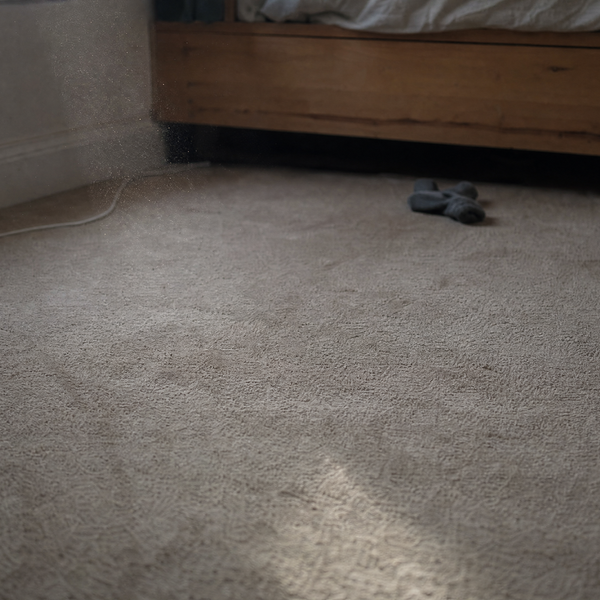
- carpets and rugs
- upholstered furniture
- stuffed animals and curtains
The allergic reaction is not caused by the mite itself, but by its droppings. These contain proteins that overactivate the immune system in some people.
Symptoms of dust mite allergy
The symptoms are very similar to those of hay fever or a chronic cold. Symptoms are usually most severe upon waking, as you come into contact with dust mites in your bedding and mattress a lot during the night.
- Chronic runny nose or stuffy nose
- Sneezing fits, especially in the morning
- Itchy or watery eyes
- Coughing, shortness of breath, or wheezing
- Poor sleep or waking up tired
- Skin irritations or eczema symptoms
How is the allergy diagnosed?
A doctor can determine if you are sensitive to dust mites through an allergy test. Blood tests or skin tests (prick tests) are often used. If in doubt, it is advisable to contact your general practitioner or an allergist.
What can you do about dust mites?
You cannot completely prevent the presence of dust mites, but you can significantly reduce it. This helps to reduce or even prevent symptoms:
- Wash bedding and stuffed animals weekly at a minimum of 60°C
- Use anti-allergy covers for mattresses, pillows, and duvets
- Ventilate daily and keep humidity below 50%
- Avoid carpets and fabric curtains
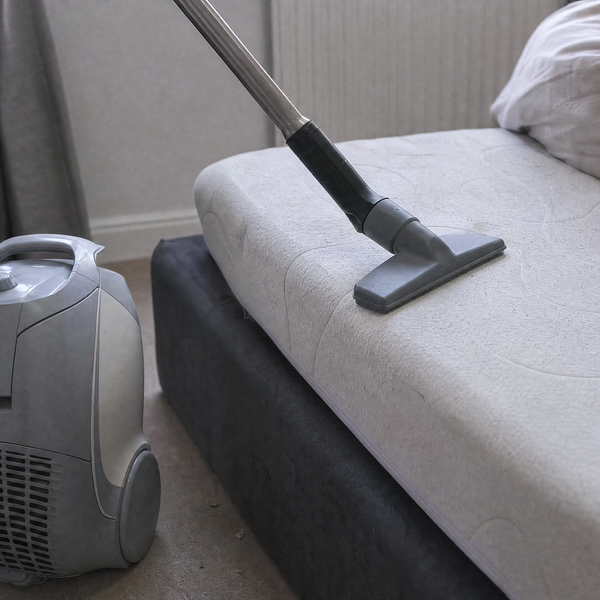
- Use a special dust mite vacuum cleaner for mattresses and furniture
MiteMaster®: Especially for people with dust mite allergies
For people with a dust mite allergy, a standard vacuum cleaner is not enough. That's why KLEINN & co.® developed the MiteMaster® line – powerful vacuum cleaners specifically designed to remove dust mites and allergens.
MiteMaster® MX6
The MX6 features a vibrating plate, powerful suction, and an H13 HEPA filter. Ideal for mattresses, sofas, and textiles. A built-in UV-C lamp provides extra hygiene on the surface.
MiteMaster® MX9 Pro
Our most advanced model with double rotating brush, powerful suction, heated air up to 65°C, and an H13 HEPA filter, plus a UV-C lamp for extra hygiene. For deep cleaning of mattresses, duvets, and upholstered furniture – ideal for severe allergy symptoms.
When to see a doctor?
If your symptoms are severe or persist despite measures, contact your general practitioner. Sometimes additional medication or allergy treatment is needed. A combination of medical care and allergy prevention at home works best.
Summary
Dust mite allergy can cause annoying symptoms, but it is manageable. By adapting your living environment and using solutions such as the MiteMaster®, you can reduce exposure to allergens and breathe freely again in your own home.