Goodbye Hay Fever: Effective Tips to Enjoy Summer Without Allergies!

In dit artikel
Summer is just around the corner, bringing with it sunny days, garden barbecues, and long walks in nature. But for many, this beautiful time of year is also synonymous with hay fever and allergies, which can spoil these moments. Are you tired of sneezing, itchy eyes, and a runny nose? We have good news for you! In this article, we share 10 effective tips to help you get through the summer without suffering from hay fever. From handy lifestyle tips to natural remedies, we'll make sure you can enjoy the outdoors without discomfort. Do you prefer a summer without allergies? Read on and discover how you can make the most of this season, so you can fully enjoy all that summer has to offer!
How a clean bed reduces hay fever
One of the most important places where you spend a lot of time is your bed. During the night, you can be exposed to all sorts of allergens that can worsen your hay fever. It is therefore very important to keep your bed clean and free of dust and pollen. Regularly washing your bedding at at least 60 degrees Celsius helps to kill most allergens. Don't forget to also regularly wash or air your pillows and duvets, as these can also be a breeding ground for dust mites and pollen.
In addition to washing your bedding, it is essential to ventilate your bedroom well. However, this does not mean that your windows should always be open, especially not during peak pollen dispersal hours. Instead, try to ventilate early in the morning or late in the evening, when the pollen concentration is lower. Also use air filters or air purifiers with HEPA filters to reduce the amount of allergens in the air. This not only helps to reduce hay fever, but also creates a fresher and healthier sleeping environment.
Finally, consider using allergy-proof covers for your mattresses and pillows. These covers are designed to keep dust mites and other allergens out, creating a cleaner sleeping environment. Following these simple but effective tips can have a big impact on your sleep quality and overall comfort during hay fever season.
Seasonal allergies and their impact on summer
Seasonal allergies, such as hay fever, can have a big impact on how you enjoy summer. While most people look forward to the warm sun and outdoor life, allergies can make you stay indoors. Hay fever is caused by pollen in the air, from trees, grass, and weeds. These pollens can overactivate your immune system, leading to the annoying symptoms we all know.
Summer is a time when pollen concentration peaks, especially during dry and windy days. This means that when you engage in outdoor activities, you are constantly exposed to these allergens. It can prevent you from participating in sports events, garden parties, or even a simple walk in the park. These limitations can significantly reduce your summer enjoyment and affect your social life. Moreover, the symptoms of hay fever, such as sneezing, itchy eyes, and fatigue, can disrupt your daily routine.
However, there are several ways to minimize the impact of seasonal allergies. Planning your outdoor activities at times when the pollen concentration is lower can make a big difference. Wearing sunglasses can also help protect your eyes from pollen. By preparing well and taking some simple precautions, you can still enjoy summer without allergies getting in your way.
What is hay fever and how does it develop?
Hay fever, also known as allergic rhinitis, is an allergic reaction to pollen and other microscopic particles suspended in the air. These particles, such as pollen from trees, grasses, and weeds, are dispersed by the wind and can easily enter your nose, eyes, and throat. When your immune system considers these particles a threat, it reacts by releasing histamine and other chemicals to fight off the invaders. This results in the typical symptoms of hay fever.
The development of hay fever is largely genetically determined. If one of your parents has hay fever, there's a good chance you'll develop it too. However, environmental and lifestyle factors also play a role. Exposure to air pollution, cigarette smoke, and even certain foods can make you more susceptible to allergies. It's important to understand that hay fever doesn't have to be seasonal; some people experience it year-round, depending on the allergens they are exposed to.
Understanding the causes and triggers of hay fever is the first step towards effective treatment and prevention. Knowing which pollens cause your allergies can help you plan better and take measures to minimize your exposure. This can range from avoiding outdoor activities during peak hours to taking medication to relieve your symptoms. Knowledge is power, and in this case, it can help you make summer much more enjoyable.
Common symptoms of hay fever
Hay fever can cause a wide range of symptoms, often resembling those of a common cold. The most common symptom is sneezing, which often occurs in sudden and repeated bursts. This is often accompanied by a runny or stuffy nose, which can lead to breathing difficulties and a reduced sense of smell. Many people also experience itching in their nose, throat, and eyes, which can be very uncomfortable and hard to resist.
Another common symptom of hay fever is red, watery, and itchy eyes, also known as allergic conjunctivitis. This can affect your vision and make it difficult to concentrate on daily tasks. Fatigue and a general feeling of malaise are also common, especially if you can't sleep well at night due to blocked airways or itchy eyes. These symptoms can significantly affect your overall well-being and productivity.
There are also lesser-known symptoms of hay fever, such as headaches, earaches, and a reduced sense of taste. Some people even experience skin rashes or hives when their skin comes into contact with pollen. Recognizing these symptoms and understanding that they may be related to hay fever is important for proper diagnosis and treatment. By being aware of these signs, you can take action more quickly to relieve your symptoms and improve your quality of life.
The impact of hay fever on your daily life
Hay fever can have a significant impact on your daily life, especially during the summer months when pollen concentration is highest. The constant presence of symptoms such as sneezing, itchy eyes, and a runny nose can affect your mood and energy levels. This can lead to reduced productivity at work or school, as it becomes harder to concentrate and perform your tasks efficiently. Additionally, sleep disturbances due to blocked airways or itchy eyes can make you feel tired and irritable.
Social activities can also suffer from hay fever. Participating in outdoor activities such as picnics, sports events, or garden parties can be a challenge when you are constantly bothered by allergies. This can limit your social life and make you feel excluded from summer fun. Moreover, hay fever symptoms can affect your self-confidence, especially if you are dealing with swollen, red eyes or a constant runny nose.
The impact of hay fever goes beyond just physical symptoms; it can also affect your emotional well-being. Many people feel frustrated or depressed by the continuous presence of allergies and the limitations they impose. It is important to acknowledge how hay fever affects your life and take proactive steps to manage your symptoms. This can range from medical treatments to changes in your daily routine to minimize your exposure to allergens.
Making your bed fine dust-free with a fine dust vacuum cleaner especially for beds and sofas
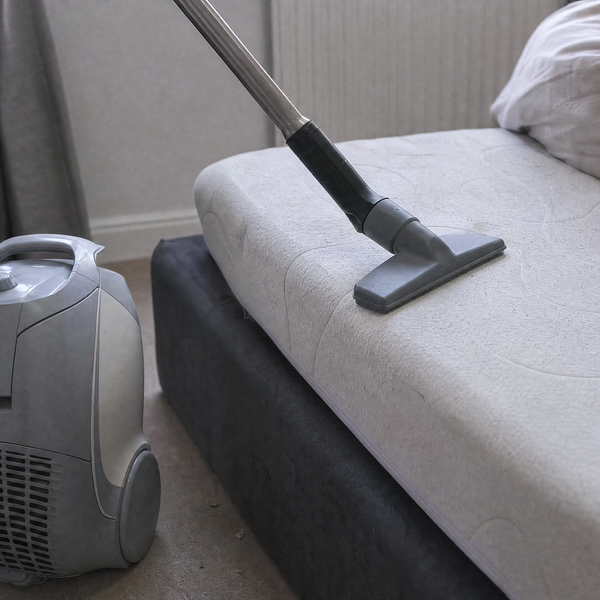
An important part of managing hay fever is minimizing your exposure to allergens in your home, and your bed is a good place to start. A fine dust vacuum cleaner specifically designed for beds and sofas can be an effective solution to remove fine dust, pollen, and other allergens. These devices are equipped with powerful suction technology and HEPA filters that can capture even the smallest particles, creating a cleaner and healthier sleeping environment.
Using a fine dust vacuum cleaner is simple and can make a big difference in your sleep quality. Start by thoroughly vacuuming your mattress, paying extra attention to the seams and corners where dust and pollen can accumulate. Don't forget to also vacuum your pillows and duvets, as these are often overlooked but just as important. By repeating this process regularly, you can significantly reduce the amount of allergens in your bed.
In addition to using a fine dust vacuum cleaner, there are other measures you can take to keep your bed clean. Washing your bedding at high temperatures and using allergy-proof covers can help prevent the accumulation of allergens. By following these simple steps, you can make a big contribution to reducing your hay fever symptoms and getting a better night's sleep.
Conclusion: Enjoy a hay fever-free summer!
Having hay fever doesn't mean you have to spend the summer indoors and feeling miserable. With the right strategies and measures, you can minimize your exposure to allergens and keep your symptoms under control. From keeping your bed clean and using a fine dust vacuum cleaner to planning your outdoor activities and taking medication, there are plenty of ways to make your summer more enjoyable.

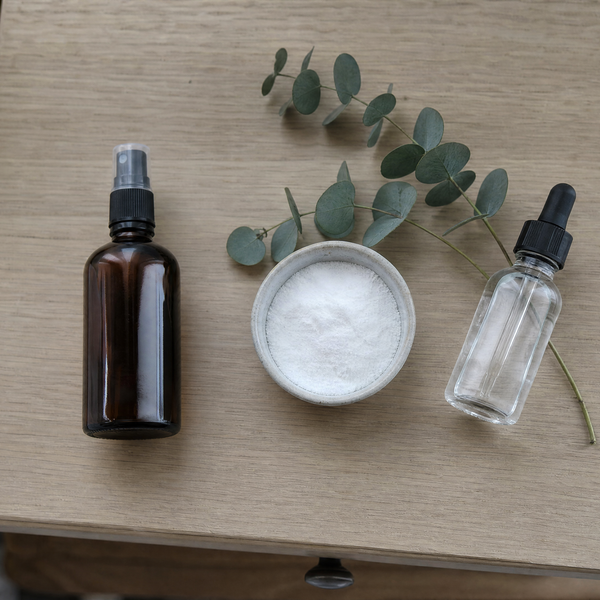
The key to success lies in understanding your specific allergies and proactively managing your environment. By being aware of pollen concentrations and adjusting your daily routine, you can still enjoy all that summer has to offer. Don't forget to also consider natural remedies, such as the use of herbs and essential oils, which can help you relieve your symptoms in a natural way.
A hay fever-free summer is within reach if you take the right steps. Take control of your allergies and don't let them stop you from enjoying sunny days, barbecues, and long walks in nature. With these 10 effective tips, you're well on your way to a season full of fun and without the hindrance of hay fever. Enjoy your summer!